
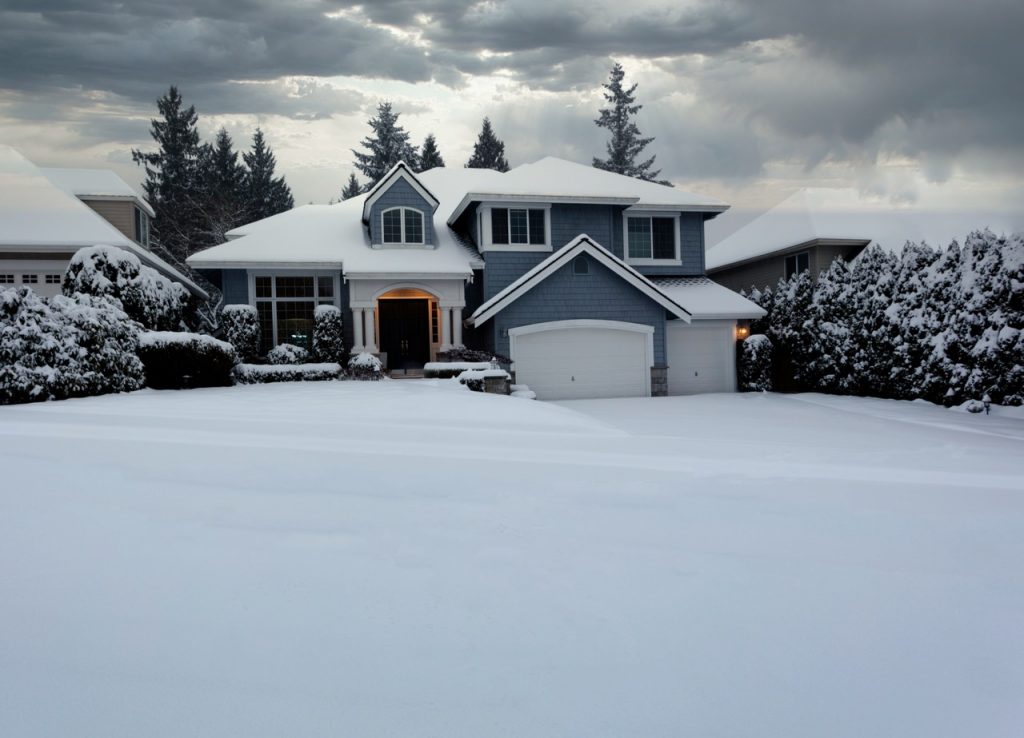
Winter storms frequently cause power outages, and losing electricity during freezing temperatures can put your home at risk. A properly maintained generator ensures safe and reliable backup power when it matters most.
Preparation should begin well before severe weather arrives.
Know Your Generator Type
Portable generators and standby generators have different requirements. Portable units require manual setup and fueling, while standby generators activate automatically when power is lost.
Understanding your system helps ensure proper operation during emergencies.
Check Fuel Supply and Condition
Portable generators need fresh fuel. Gasoline can degrade over time, leading to starting issues. Use fuel stabilizers and store fuel in approved containers.
Standby generators that run on natural gas or propane should have supply lines inspected to ensure uninterrupted service.
Test Your Generator Before Winter
Run your generator under load to confirm it starts reliably and powers essential systems. Unusual noises, inconsistent output, or difficulty starting indicate the need for professional servicing.
Regular testing reduces the chance of failure during a storm.
Ensure Safe Electrical Connections
Portable generators must never be connected directly to home wiring without a transfer switch. Backfeeding power is extremely dangerous and can cause fires or serious injury.
Standby generators require professional installation to meet electrical code requirements.
Carbon Monoxide Safety Is Critical
Generators must always be operated outdoors, away from windows, doors, and vents. Install and test carbon monoxide detectors throughout your home, especially if you use backup power.
Plan Power Priorities
Identify essential systems such as heating equipment, refrigerators, sump pumps, and medical devices. Prioritizing these loads prevents overloading and maximizes efficiency during outages.
