
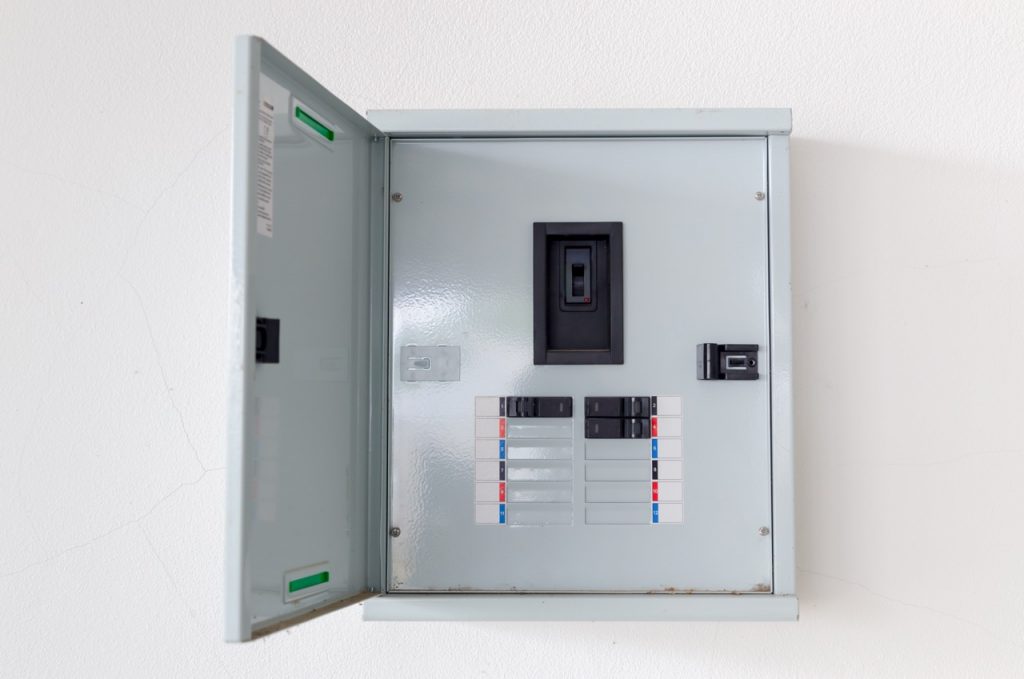
Why Breakers Trip More Often in Winter
Circuit breakers are designed to protect your home by shutting off power when circuits become overloaded or unsafe. During winter, breaker trips become more common due to increased electrical demand and cold-related stress on systems.
While an occasional trip may not be serious, repeated trips should never be ignored.
Common Winter Causes of Tripped Breakers
One of the most common causes is overloaded circuits. Space heaters, electric blankets, humidifiers, and heating equipment often draw significant power. Plugging multiple high-demand devices into the same circuit can quickly exceed safe limits.
Cold weather can also expose existing wiring problems. Loose connections, damaged insulation, or aging components may struggle under increased load.
What You Can Check Safely
If a breaker trips, unplug devices connected to that circuit before resetting it. If the breaker holds after reducing the load, the issue may simply be overuse.
Avoid using extension cords as permanent solutions, especially for heaters. These cords are not designed to handle continuous high power loads.
When Tripping Signals a Bigger Problem
If the breaker continues to trip even with minimal load, there may be a deeper issue. Faulty wiring, damaged outlets, or an undersized electrical panel can all cause repeated trips.
Burning smells, buzzing sounds, or warm breaker panels are warning signs that require immediate professional attention.
Why Ignoring Breaker Trips Is Dangerous
Breakers trip to prevent overheating and fires. Repeatedly resetting a breaker without addressing the cause can allow dangerous conditions to worsen.
Ignoring the problem increases the risk of electrical fires and equipment damage.
When to Call a Licensed Electrician
If your breaker trips frequently during winter, a licensed electrician can diagnose the issue safely. They may recommend circuit upgrades, wiring repairs, or panel replacement depending on the cause.
Addressing breaker problems early ensures your home stays safe, comfortable, and powered throughout the winter season.
